Exploring How Technology And AI Influence Interior Design

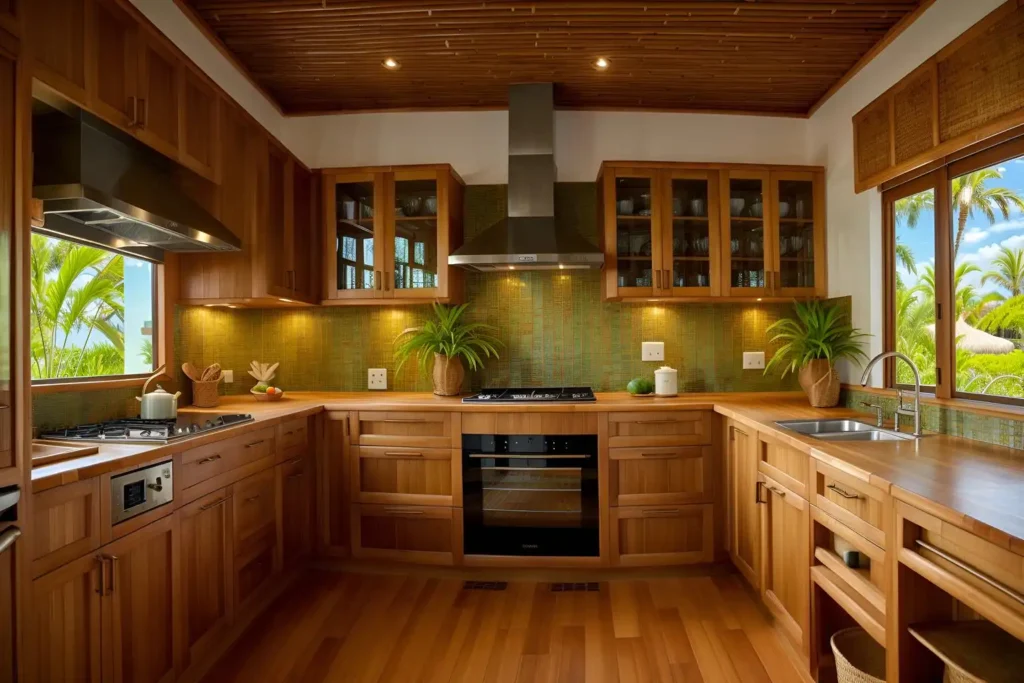
One of the biggest changes in the interior design industry is being led by technology. The landscape of how designers and clients create and experience places is changing, with AI-driven design tools creating 3D representations in seconds, and smart home systems making homes more comfortable and efficient.
Virtual and augmented reality enable clients to visualize the rooms even before the building process begins, and artificial intelligence is currently employed by architects and interior designers to predict trends, streamline the interior design process and tailor it to user needs.
Such advancements are enhancing the effectiveness, engagement, and foresight of design, presenting fresh possibilities for innovation and utility in the home, business, and work environments.
The Impact Of Technology And AI On Interior Design
The combination of technology and artificial intelligence (AI) is causing a major shift in the interior design industry. In addition to increasing designers’ inventiveness, these developments are streamlining and personalizing the design process.
The use of AI and technology is transforming the way spaces are envisioned, designed, and utilized by offering unimaginable creative solutions. These days, interior designers employ AI to examine enormous volumes of data and uncover trends in user behavior and tastes.
This data-driven approach ensures that the design is not only aesthetically pleasing but also functional and appropriate for the intended users, leading to more informed decisions and a better overall user experience.
- AI enhances design efficiency and creativity.
- Personalized places are the result of data-driven insights.
- Technology is the key to creating innovative design solutions.
The Development of Technology in Interior Design
The sector is experiencing revolutionization thanks to a series of key AI technologies.A number of key AI technologies are revolutionizing the sector.
The interior design industry is undergoing a transformation with the advent of artificial intelligence (AI) technologies such as computer vision, natural language processing, and machine learning. These technologies can free up design time by eliminating tedious tasks. In order to keep designers ahead of the curve, machine learning algorithms can evaluate current design trends and forecast upcoming fashions.
Clients may see their spaces before any physical modifications are done thanks to computer vision’s ability to create realistic 3D models. This will reduce the risk of costly design mistakes, and will also help to enhance client satisfaction.
- Machine-learning prediction of design trends.
- Realistic 3D models are produced by computer vision.
- Time for creativity is freed up by automation.
Personalized Design Recommendations Based on Machine Learning
User data can be analyzed using machine learning algorithms to give personalized design recommendations. These algorithms can analyze the user’s preferences and recommend colour schemes, furniture layouts and decor styles that match the user’s taste. This degree of personalization makes sure each design is one-of-a-kind and customized to the client’s requirements.
Additionally, machine learning can recognize patterns in user behavior, and the designer can use this insight to design beautiful, yet functional, spaces. This kind of data-driven decision making ensures that all design decisions are supported by evidence and thus contribute to better success.
Recommendations That Are Specific To A User
- One-of-a-kind designs to suit personal preferences.
- Decisions are made based on data, which improves functionality.
AI empowered Software & Tools for Design.
3D Visualization and Virtual Reality in Interior Design
3D visualization and virtual reality (VR) are great new tools for the interior design process. The technologies enable clients to visualize their environment in a realistic virtual representation, giving them a better preview of the final design. This is an interactive learning that assists clients to make informed decisions, and also offers feedback to designers.
VR technology also allows designers to test various design elements in real-time, which helps them to explore new possibilities and discover the optimal solution. This degree of interaction makes the design process better and more rewarding for clients and for designers.
- Virtual representation of space in an immersive way.
- Immediate experimentation of design elements.
- Improved client feedback and client decision making.
Automated Furniture Arrangement And Space Planning
AI algorithms are used by automated space planning systems to optimize a room’s layout, guaranteeing that each piece of furniture is positioned in the most practical and visually appealing way possible. These tools take into account the size of the room, the size of the furniture, and the preferences of the user, among others, to create a place that is both aesthetically pleasing and useful.
With automated space planning, designers can focus on the creative aspects of their designs, leaving the technical details to the advanced algorithms handling the calculations. This results in improved designs and aesthetics as well as time-saving.
- Room arrangement optimisation using artificial intelligence.
- aesthetically pleasing and practical space configurations.
- automation that saves designers’ time.
Color Scheme and Material Selection Algorithms.
AI-powered algorithms are transforming the material and colour palette selection process for designers. To recommend the best solutions, these algorithms take into account user preferences, room size, and illumination. Designers may produce aesthetically pleasing and coherent rooms that capture the client’s individuality and sense of style by taking these factors into account.
AI algorithms can suggest materials that are not only aesthetically beautiful but also long-lasting and sustainable, in addition to color palettes. This is especially relevant to the growing demand for sustainable design solutions, and ensures the final product is not only beautiful but environmentally friendly as well.
- Recommendation for suitable colors and materials is made by AI.
- Effective cohesive designs that resonate with the customer.
- Recommendations for materials that last and are sustainable.
Integrating different Internet-of-Things applications and Smart Home technologies into Interior Design projects
Home Automation Systems – Voice Controlled
Voice controlled Home Automation Systems are emerging in today’s interior design. These systems allow users to switch on/off, or control, a range of elements in the home environment, such as lighting, temperature, entertainment systems and more, using simple voice commands. This is a great convenience in life, as houses become more comfortable and easier to use.
With the addition of voice-controlled technology, interior designers can create technologically advanced and aesthetically pleasing spaces. The seamless integration of design and technology has led to homes that meet the needs of today’s homeowner.
- Voice commands can be used to control the home environment.
- improved usability and ease.
- design and technology are smoothly integrated.
Utilizing AI To Deliver Sustainable Solutions And Energy Efficiency
To promote sustainability and energy efficiency in interior design, AI-powered solutions are a must-have. The solutions look at the trends of energy use and suggest ways of reducing waste, such as improving the heating and lighting. These tips could help homeowners reduce their carbon footprint and save on their energy bills.
AI technology can detect sustainable materials and design techniques in addition to energy efficiency, guaranteeing that every element of the design is ecologically friendly. The interior design sector is increasingly important in the quest for sustainability as more and more customers seek eco-friendly options.
- Discuss patterns of energy consumption.
- Reduce waste and energy costs.
- Determine eco-friendly products and methods.
Adapted Ambient Lighting & Climate Control
AI is making it possible to customize interior design with climate management and ambient lighting. These systems also adjust temperature and light levels as per user’s needs and the ambient conditions, creating a warm and comfortable atmosphere.
This personalization level ensures that all regions are tailored to serve the needs of users, thus enhancing their overall well-being.
Incorporating AI-powered climate control and lighting into their designs allows interior designers to create places that are not only aesthetically pleasing but also cozy and practical. By taking a comprehensive approach to design, all elements of the room are guaranteed to enhance the overall user experience.
- Adapt the lighting and temperature to your tastes.
- Create comfortable/cosy spaces.
- Use designed spaces to enhance wellbeing.
The Implementation Of Augmented Reality In Interactive Design
Designing, Decorating, And Visualizing Furniture In Real Spaces Using AR Apps
There are apps available that use augmented reality (AR) and are completely transforming the customer’s perception of furnishings and décor in their rooms. These applications allow consumers to visualize in a realistic way what each component would look like in their home prior to buying.
This collaborative approach ensures that the clients are satisfied with the results and helps them with informed decisions.
By incorporating AR technology into their designs, interior designers can create a more dynamic and engaging experience for their clients. In addition to improving client pleasure, this expedites the design process and produces better results.
- Visualize furnishings and décor with augmented reality apps.
- Give accurate sneak peeks at the finished designs.
- Engage customers via interactive experiences to improve their satisfaction.
Showcase Your Property And Virtual Stage It
Within the property business, virtual staging is becoming a pattern as a technique that permits prospective homebuyers to visualize what a house will look like with various design features. This technology has the potential to make real estate brokers’ lives easier by showcasing property in the most favorable way possible, which increases the likelihood of a sale.
Interior designers can make it easier for customers to perceive the possibilities by employing virtual staging to help them envision the possibilities of a room. This expands the design process, and results in more successful solutions for both the client and designers.
- Show properties using virtual staging.
- Make use of images that are realistic for better sale.
- Assist clients in seeing a space’s potential.
The Appointment Of Design Teams With Remote AR Consultations
With augmented reality consultations, designers are now able to work remotely with clients, regardless of their physical location. This technology allows for collaboration on a project because it lets designers add real-time comments and recommendations to a project. The final design will satisfy the client’s requirements and expectations thanks to this degree of cooperation.
Interior designers can offer AR consultations to clients in various locations and expand their clientele by meeting clients virtually. This helps in the design process in general, and also provides fresh opportunities for development and achievement.
- Take advantage of AR to collaborate with customers remotely.
- Provide feedback and comments as they are happening.
- Work with clients all across the world and broaden your reach.
Final Thoughts
The interior design industry is changing as a result of the incorporation of AI and technology, which presents new opportunities for efficiency and innovation. As designers embrace these developments, they can create spaces that are beautiful, functional and even personalized. As the industry continues to grow and develop, there are endless possibilities for innovation, making the future of interior design an exciting and interesting one.