What Is Cloud Computing? Examples, Benefits, and How It Works

Cloud computing is one of the most crucial technologies today in the digital world. You may be using cloud computing now, whether you’re storing files online, streaming movies, sending e-mail, or running business applications. It enables the sharing of computing power via the internet rather than by having physical computers on site.
So, what is cloud computing and how does it work? What are the types of cloud computing? What are the real-life examples of cloud computing? What are the advantages of cloud computing? What are the disadvantages of cloud computing? What makes cloud computing indispensable for modern businesses? If you have ever asked yourself these questions, this guide is the perfect answer.
Cloud Computing: What is it?
Cloud computing is a service that provides users with access to computing resources and capabilities over the internet. Rather than buying and keeping up-to-date expensive hardware, users can use these resources as and when needed via a cloud service provider.
Cloud computing, put simply, is the capacity to store data, use applications and access files on the internet from virtually any device that has an Internet connection.
For instance, if you store files in Google Drive, stream movies from Netflix or access Microsoft 365 online, you are using cloud computing services.
Why is Cloud Computing important?
Cloud computing has revolutionized the way businesses and users utilize technology. Organizations do not need to invest in expensive IT infrastructure; they can rent computing resources on a need basis.
This flexibility can help companies save money, increase efficiency, and scale up operations rapidly. Workers can collaborate in real time, access critical files securely from anywhere in the world, and work remotely.
Cloud computing is an important part of the digital transformation that is taking place in various industries.
What is Cloud Computing?
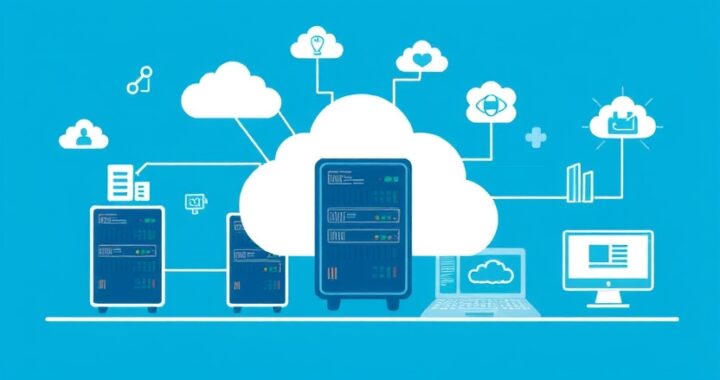
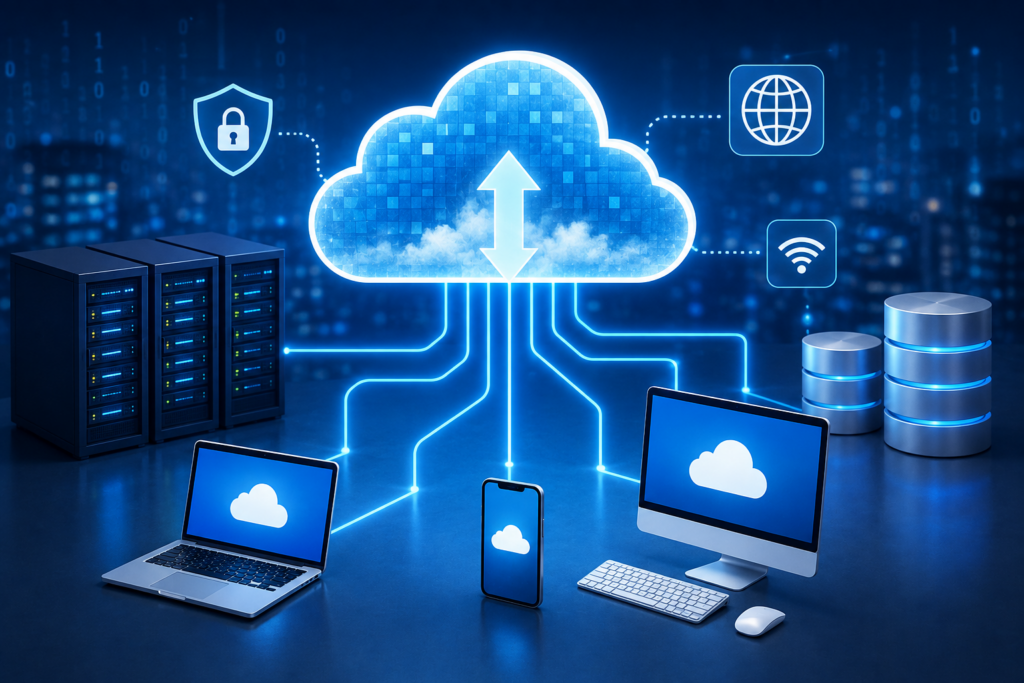
Cloud computing is based on a cloud service provider’s remote data centers. These vendors have robust servers, networking gear, storage, and security infrastructure.
They process and store data on those remote servers when a user uploads a file, opens an online application or stores data in the cloud, instead of on the user’s personal computer.
The information is accessible online from practically any compatible device when the user needs it. The cloud provider is responsible for the software updates, maintenance, security, and system reliability, and the user can focus on the work, rather than managing the hardware.
What are the various kinds of Cloud Computing?
There are typically three main deployment models of cloud computing.
Public cloud services are services owned and operated by 3rd parties. Customers share resources and keep their data separate and protected. The model is widely used due to its affordability and scalability.
Private cloud infrastructure is used exclusively by one organization. It offers higher control, flexibility, and security, making it appropriate for businesses that have strict compliance or privacy necessities.
Hybrid cloud is a blend of public and private cloud. Important information can remain in private systems while other compute power is accessed via the cloud when necessary.
Organizations can choose between these deployment models, with each having its own set of benefits and drawbacks based on their business objectives and security needs.
What are the Cloud service models?
There are multiple service models available to address the needs of businesses when using cloud services.
Infrastructure as a Service (IaaS) offers virtual servers, storage, and networking capabilities without the need for businesses to buy physical servers and networking equipment.
Platform as a Service (PaaS) provides developers with a platform to build, test, and deploy apps without having to manage the platform’s underlying infrastructure.
Software as a Service (SaaS) provides available software over the web. No complex software is installed on the users’ computers; they log in via a Web browser.
These service models provide the flexibility to select the depth of control and management that suits the business.
What are some real-world examples of cloud computing?
Many industries are utilizing cloud computing on a daily basis.
Google Drive is an online storage and sharing solution for documents. Microsoft OneDrive is a cloud storage solution for personal and business files in a secure manner. Dropbox offers syncing of files over devices.
Netflix uses cloud infrastructure to provide movies and TV shows to millions of users across the globe. Microsoft 365 and Google Workspace serve as the platforms for businesses to function with cloud-based productivity tools.
Cloud computing technologies are also crucial for online shopping platforms, banking apps, video conferencing, gaming websites, and social media.
What are the advantages of cloud computing?
Cloud computing is a great benefit to businesses and individuals.
The greatest advantage is the cost savings. No longer do organizations need to buy expensive servers or have large data centers. Rather, they only pay for the resources that they consume.
Cloud services offer superb scalability, too. Expansion of computing resources is fast and takes place without replacing hardware as the business expands.
Another benefit is that it is accessible. Multiple remote locations allow employees to access applications and files in a secure manner, making distant working easier.
With automatic software updates, maintenance costs are reduced, and cloud providers generally provide more robust security measures, data backup, and disaster recovery services to ensure valuable data is protected.
These are all good reasons that enterprises of all sizes are considering using cloud computing.
What Are the Challenges of the Cloud?
Cloud computing is a great thing, but it has its drawbacks.
Internet connectivity is important as cloud services rely on internet access. Additionally, businesses need to take into account data privacy and regulatory adherence along with cybersecurity when choosing cloud providers.
Service outages (very rare events) may, for a brief time, impact access to apps or information stored in the system. Cloud cost management is also crucial for organizations, particularly if they use the cloud on a large scale over time.
Being aware of these issues can enable businesses to develop strategies to ensure their cloud solutions are effective and minimise potential issues.
What are the industries that are utilizing Cloud computing?
Cloud computing is utilized in almost all industries.
Cloud platforms are used to store electronic medical records and enable telemedicine services in healthcare organizations. Cloud platforms are used to store electronic medical records and enable telemedicine services in healthcare organizations. Cloud technologies are used for secure and safe data processing and fraud detection by financial institutions.
Educational institutions have online learning platforms running on the cloud, and retailers have inventory, customer information, and e-commerce systems running on cloud-based systems.
Cloud computing is utilized in manufacturing for the management of production, logistics and predictive maintenance. For governments, secure cloud environments enable them to enhance public services and data management.
Cloud computing is useful in practically every sector in business because of its flexibility.
Will Cloud Computing Keep You Safe?
If organizations use best practices and secure cloud providers, cloud computing can be extremely secure.
To ensure the security of customer data, most providers put substantial resources into encryption, firewalls, identity management, multi-factor authentication, ongoing monitoring, and routine security updates.
But businesses have responsibilities, too, such as setting strong passwords, implementing multi-factor authentication, limiting employee access, and educating staff on cybersecurity threats.
With both parties being responsible for securing data, security is at its best.
The Future of Cloud Computing?
As organizations embrace artificial intelligence, machine learning, edge computing, and Internet of Things (IoT) technologies, cloud computing is still in the process of rapid evolution.
With remote work becoming the norm, businesses are looking to move more workload to the cloud for more flexibility, lower operational costs, and better support for remote workers. Companies are increasingly also turning to hybrid and multi-cloud solutions for enhanced operational efficiency and resilience.
With technology evolving, cloud computing is projected to be one of the key pillars of digitalization across the globe.
Conclusion
Cloud computing has revolutionized the way individuals and businesses store data, access applications, and manage technology resources. It offers more flexibility, scalability, cost savings, and accessibility than conventional IT infrastructure by offering computing services via the internet. Cloud computing is integral to daily digital life, from streaming videos to working on documents or using enterprise applications. The basics on how it works and how it’s beneficial, along with the different types of service models, can help one clarify technology decisions.
Frequently Asked Questions
What does cloud computing mean?
Cloud computing is the provision of computing resources, including computing power, storage, servers, databases, software, and networking, via the Internet rather than locally.
How does cloud computing work?
Cloud computing involves storing data and running applications on remote servers overseen by cloud service providers and accessing resources via the Internet.
What are the types of cloud computing?
There are three main cloud types: public cloud, private cloud, and hybrid cloud.
Can you give some examples of “cloud computing?
Common examples include online banking and e-commerce sites, Google Drive, Microsoft OneDrive, Dropbox, Microsoft 365, Google Workspace, and Netflix.
What are the benefits of cloud computing?
Cloud computing provides cost reduction, scalability, remote access, automatic updates, better collaboration, data backup, and business flexibility.
Do you think cloud computing is safe?
Yes. While most cloud providers also offer advanced security measures like encryption, access controls, multi-factor authentication, and ongoing monitoring to safeguard customer data, users should also observe best practices.