What is Cloud Computing, and how is it related to Software Deployment?

Cloud computing is one of the most powerful revolutions in the technology landscape and has been reshaping the way technology companies build, deploy, and maintain software applications. It is highly flexible, scalable, and affordable, making it a crucial part of IT infrastructure. Before dwelling on its relevance, it is important to first define Cloud Computing and look at how it affects the Software Deployment process.
What is Cloud Computing?
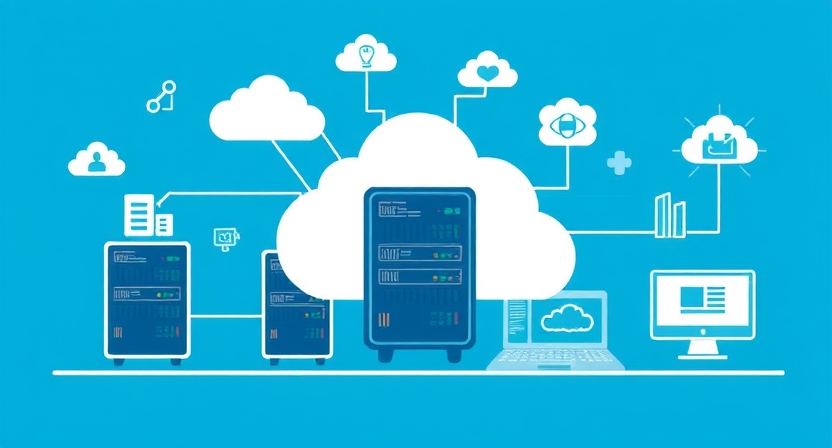
Cloud computing is the term for the provision of computing resources via the Internet, commonly referred to as “the cloud.” Rather than owning and maintaining physical servers and software, companies rely on cloud service providers (CSPs) like Amazon Web Services (AWS), Microsoft Azure, Google Cloud Platform, and more to host their remote servers. These resources are available on-demand, and users pay only for what they use.
For cloud computing, the main concept is that the necessary IT resources can be scaled, elastic, and flexible, and can be accessed from any location with an internet connection. This model is suitable for organizations to avoid expensive setups and operations, and to quickly deploy and scale applications.
Types of Cloud Services
The three common models for cloud computing services are:
- Infrastructure as a Service (IaaS): Virtualized computing resources like virtual machines, storage, and networking resources. Users administer operating systems, applications, and data. Sample: AWS EC2, Google Compute Engine.
- Platform as a Service (PaaS): Provides a platform for developers to build, run, and manage applications without worrying about the underlying platform. Example: Google App Engine, Microsoft Azure App Service.
- Software as a Service (SaaS): Provides software applications via the Internet, on a subscription basis. Users use web browsers to access applications. Example: Google Workspace, Salesforce.
How Cloud Computing Relates to Software Deployment
The software deployment process is the delivery and installation of software applications to end users or other systems. This process was traditionally complex and costly, requiring manual setup, hardware provisioning and maintenance. Cloud computing has changed this dynamic in a number of important ways:
1. Simplified Deployment Process
Cloud platforms offer pre-configured environments and tools that can help applications be quickly deployed. Integrated development tools, continuous integration/continuous deployment (CI/CD) pipelines and automation scripts allow developers to deploy code directly to cloud environments. This cuts down weeks or days to minutes or hours, allows for faster release cycles, and faster feedback loops.
2. Scalability and Flexibility
One of the payoffs of cloud computing is that resources can be dynamically scaled up or down based on demand. In terms of software deployment, it implies that applications will be able to deal with different workloads without having to be manually modified. In peak periods, when many more people are using the site, extra servers or resources can be allocated automatically, and users won’t notice any downtime or problems.
3. Cost-Effectiveness
The traditional deployment approach requires large amounts of capital investment on hardware and maintenance costs. This becomes an operational expense when deployed in the cloud, as customers only have to pay for the resources they use. In this pay-as-you-go approach, you can use applications without over-provisioning or underutilizing resources, whether you are a startup or an existing business.
4. Reach and Accessibility (Global)
Cloud providers have data centres all around the world, allowing an organisation to run software in multiple regions simultaneously. Having this geographic spread decreases latency, boosts performance and ensures regional data regulations are met. Applications are available to users around the world with minimal latency, improving user satisfaction.
5. AI for enhanced automation and DevOps integration
Common DevOps tools and automation processes can be found on modern cloud platforms to smoothen the deployment process. Continuous integration and continuous deployment pipelines automate testing, building, and releasing our code. Version control and repeatable infrastructure deployments are realized through infrastructure as code (IaC) tools such as Terraform and CloudFormation, accelerating deployment cycles even more.
6. Security and Compliance
Cloud providers do a great deal of investment in security, compliance certifications and data protection. The use of software in the cloud takes advantage of these security measures, safeguarding applications from threats and regulatory concerns. Also, cloud environments offer centralized management of security policies, monitoring, and incident response activities.
Challenges and Considerations
Cloud Computing brings with it several advantages for software deployment, but also presents some challenges for organizations:
- Vendor Lock-In: Relying heavily on a single cloud provider can lead to dependency issues and complicate migration to other platforms.
- Data Security and Privacy: Sensitive information should be stored and processed in the cloud securely and should be safeguarded from security breaches and unauthorized access.
- Cost Management: Cloud costs can quickly ramp up without adequate monitoring because of resource sprawl or misconfigurations.
- Compliance and Regulations: Ensuring adherence to regional regulations and industry standards, careful planning and management.
Conclusion
The paradigm shift in software application deployment, management, and scalability is cloud computing. Its on-demand resources, automation, and global reach allow organizations to deploy applications faster, more reliably, and cost-effectively than ever before. The future of cloud technology, as it evolves will have a significant impact on software deployment in the future, promoting innovation and agility in various industries.
An organization can acquire an edge in the competitive world of software delivery by utilizing cloud computing technology to accelerate software delivery, provide better user experiences, and cut down on operational costs. But if you want to reap the benefits, you need to carefully plan for security, compliance and cost management.
To sum up, cloud computing is not simply a technology trend; it is a core part of the modern software deployment strategies that drive businesses to innovate and adapt to the digital age.